
First impressions matter in every type of dating, but they matter even more in sugar dating because many members decide quickly whether a conversation feels worth their time. A weak first message usually fails silently. There is no dramatic rejection, no explanation, and no second chance. It simply disappears into the same pile as every other message that sounded generic, rushed, or copied. That is one reason so many people feel frustrated. They assume the problem is the market, when often the problem is the message itself.
The good news is that strong first messages are not mysterious. They usually work because they are personal, short, and relevant to the other person's actual profile. In Sydney, this matters even more because local context helps a message feel real. A person who references a suburb, a venue style, or a lifestyle detail often sounds more genuine than someone who writes a generic compliment. This article breaks down what actually works, what to avoid, and how to keep the conversation moving once you do get a reply.
Why First Messages Matter So Much
The first message often decides whether a profile gets a real chance. In a competitive dating environment, people are not only reading for attraction. They are reading for effort, tone, and social awareness. A strong opener suggests that the rest of the conversation may also be worth their time. A weak opener does the opposite.
Competition also plays a role. Many users receive more than one message, especially if their profile is polished and active. That means the opener has a real job to do. It has to stand out without sounding unnatural, overconfident, or performative. If it feels copied, cold, or too intense, the conversation usually ends before it begins.
What Not to Say
The weakest messages tend to follow a few easy patterns. “Hi” is too thin because it gives the other person no reason to engage. Copy-paste compliments fail because they sound like they were sent to ten other people before you. Overly direct messages can feel lazy or uncomfortable because they skip the human part of the conversation and go straight to pressure.
Messages That Usually Fail
- Hi
- Hey beautiful
- You are hot
- What are you looking for?
- Can we meet tonight?
Each of these fails for a slightly different reason, but the result is similar. They do not show personality, context, or effort. They sound too easy to ignore because they are easy to replace. Most people want to feel noticed, not processed.
What Actually Works
The messages that work usually share three traits: personalization, brevity, and relevance. Personalization shows that you actually read the profile. Brevity keeps the message easy to answer. Relevance makes the opener feel connected to the other person's life instead of disconnected from it.
A good first message often feels like a small conversation starter rather than a performance. It should make replying easy. That can mean asking a simple question, referencing a local detail, or responding to something from the profile in a relaxed way. The message does not need to be clever. It needs to feel real.

Using Profile Details
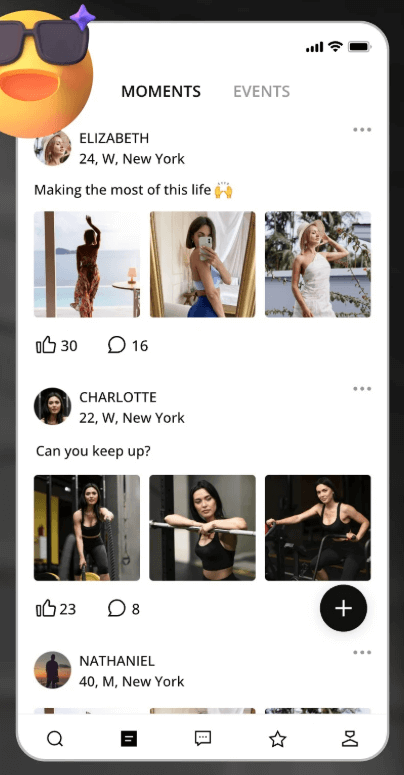
The easiest way to improve a first message is to use something the other person already shared. If their profile mentions Bondi, ask about the kind of Bondi atmosphere they actually enjoy. If they mention travel, ask what kind of trips usually suit their style. If they sound more business-focused, ask about the kind of evening that helps them relax after the week. Profile detail gives you a natural bridge into the conversation.
Using profile content well also helps build trust. It shows the other person that you are responding to them specifically, not just chasing a reply from anyone. That one signal often changes how the entire conversation feels from the very first line.
Sydney-Based Conversation Starters
Local references work especially well in Sydney because suburb, pace, and lifestyle matter so much here. A message that sounds like it could only be sent to someone in this city feels more genuine than one that could fit any dating app in any country. Suburb context, restaurant style, beach culture, rooftop bars, CBD dinner timing, and weekend rhythm all make useful openers.
- Are you more Bondi brunch or CBD dinner during the week?
- Your profile feels polished. Do you usually prefer a quiet Double Bay dinner or something more energetic in the city?
- You mentioned travel and good food. What part of Sydney usually fits your social style best?
Examples of Good First Messages
Below are examples that work because they feel clear, easy to answer, and grounded in profile or local detail.
| Message Example | Why It Works |
|---|---|
| Your profile has a calm, polished feel. What kind of Sydney evening usually suits you best? | Warm, observant, and easy to answer. |
| I noticed you mentioned harbour views and good restaurants. Do you have a favourite area for a first meeting? | Uses a detail and shifts naturally into local context. |
| You seem like someone who values quality over noise. Are you more hotel lounge or coastal wine bar energy? | Shows personality without being too intense. |
| Your profile feels grounded, which stands out. What usually makes a conversation worth continuing for you? | Creates a thoughtful reply opportunity. |
| I liked how clear your profile is. Do you usually spend more time around the CBD or further east? | Simple, local, and specific. |
Tone and Style That Works
The best tone is natural, confident, and unforced. Natural means the message sounds like a real person, not a rehearsed script. Confident means it is clear and relaxed rather than hesitant or apologetic. Unforced means it does not try too hard to impress. This balance matters because many people can detect performance very quickly.
It also helps to stay emotionally steady. A first message should not sound too intense, too romantic, or too serious. That kind of pressure usually feels misplaced. Early messages work better when they invite comfort, not urgency.
Common Messaging Mistakes
One major mistake is writing too much too soon. A very long first message often creates work instead of curiosity. Another mistake is sounding too cold. Messages that are efficient but lifeless can feel almost as weak as generic greetings. A third mistake is being too pushy. If the opener tries to control the pace immediately, the conversation often shuts down.
Messaging Mistakes to Watch
- Writing a first message that is too long.
- Sounding detached or robotic.
- Pushing for a meeting too early.
- Talking too quickly about money or private contact details.
- Trying too hard to impress instead of trying to connect.
How to Keep the Conversation Going
Once someone replies, the next step is not to flood them with energy. It is to keep the rhythm smooth. Good follow-up means responding to what they actually said, asking one useful question at a time, and letting the tone stay balanced. Momentum comes from steady exchange, not from intensity.
Pacing matters here. If the conversation feels good, keep it light but real. If the other person gives a shorter reply, mirror that instead of oversharing. If they open up more, you can add more personality in return. A strong conversation usually grows through matching pace, not forcing it.
From Chat to Real Connection
A real connection usually forms when the conversation develops a clear rhythm and both people feel enough ease to move into a public meeting. This transition should feel like a natural next step, not a sudden switch. Mentioning a simple idea such as a coffee, a hotel lounge, or a relaxed evening venue in the CBD can work well once the tone is already good.
If you want a broader walkthrough on that transition, our complete Sydney guide to finding a sugar daddy goes further into timing, profile flow, and local decision-making.
Adapting to Different Types of Sugar Daddies
Not every sugar daddy responds to the same tone. Some prefer direct communication and practical questions. Others enjoy a slightly lighter, more socially playful rhythm. Some are more business-minded and time-conscious, while others care more about lifestyle and atmosphere. Adapting does not mean pretending to be someone else. It means noticing what kind of style the profile already suggests and adjusting your message accordingly.
This is another reason why generic openers fail. They do not leave room for personality difference. They flatten everyone into the same conversation.
Quick Messaging Formula
If you want a simple structure, use this:
- Notice one real detail from the profile.
- Add one light observation or local reference.
- End with one easy question.
That formula works because it feels human. It shows attention, gives context, and opens the door to a reply without demanding too much.
Final Tips
The people who get better results are not always the loudest or the most dramatic. They are usually the most consistent. They write better first messages, stay authentic, and keep improving what already works instead of chasing gimmicks. That is the real pattern behind successful conversations.
Consistency and authenticity matter because first messages are not magic on their own. They work best when they match a strong profile, a realistic mindset, and a sense of local Sydney rhythm. If you want to avoid the most common profile and communication errors, our Sydney mistakes guide is a strong next step. For safety and pacing, our local privacy and first-meeting guide is also worth reading before you move too fast.
Write Better First Messages and Get Better Replies
Join Sugar Daddy Sydney, use this messaging structure, and start conversations that feel more local, more personal, and more likely to become something real.